The information on this website is general in nature and does not take into account your objectives, financial situation, or needs. Consider seeking personal advice from a licensed adviser before acting on any information.
Financing a motorcycle is not only about getting a loan approved. Australian buyers also need to consider the bike itself, the loan structure, insurance, resale value and the ongoing costs of ownership before signing a finance agreement.
Motorcycle financing mistakes Australian buyers should avoid
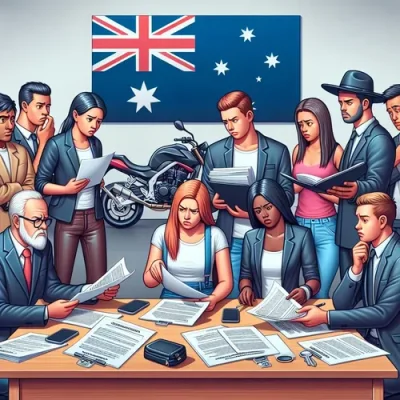
Motorcycle finance can help spread the cost of a bike purchase, but it also creates ongoing repayment obligations. A common mistake is focusing only on the monthly repayment or the excitement of owning the bike, while overlooking the broader purchase and ownership risks.
This guide focuses on the due diligence that sits around motorcycle financing in Australia: choosing a finance option, comparing lenders, checking the loan agreement, inspecting the motorcycle, budgeting for ownership costs, considering insurance and thinking about resale value.
Choosing finance without understanding the loan type
Different motorcycle finance options can work in different ways. Before agreeing to a loan, it is important to understand whether the finance is secured or unsecured and how that affects the agreement.
- Secured motorcycle loans: the motorcycle is used as security for the loan. This may affect what happens if repayments are not made.
- Unsecured loans: the loan is not secured against the motorcycle, but the interest rate may be higher than some secured options.
- Dealer finance: finance may be offered through a dealership. It should still be compared with other available options, including the rate, fees and conditions.
For a more detailed explanation of the difference between secured and unsecured borrowing, see this guide to secured vs unsecured bike loans.
Not comparing lenders, rates and terms
Another common mistake is accepting the first finance offer without comparing alternatives. Interest rates, fees, repayment terms and flexibility can vary between lenders, so the cheapest-looking monthly repayment may not always represent the most suitable overall structure.
When comparing motorcycle finance options, look beyond the advertised repayment and consider:
- the interest rate and how it is applied;
- the full repayment term;
- application, establishment or ongoing fees if they apply;
- whether extra repayments are allowed;
- whether early repayment charges or late payment fees apply;
- the lender's reputation for clear and transparent loan terms.
Online comparison tools can help organise loan features side by side. If you are comparing available bike finance options or making an enquiry, you can start from the bike loan quote page and review the details carefully before deciding whether to proceed.
Budgeting only for the repayment
A motorcycle budget should include more than the loan repayment. Overextending your budget can make the bike harder to maintain and may create financial pressure if other expenses change.
Before financing a motorcycle, consider your income, existing debts, regular bills and likely riding-related expenses. The aim is to understand what you can afford without relying on optimistic assumptions.
| Cost area |
Why it matters |
| Loan repayments |
The regular repayment must fit within your income and other obligations. |
| Insurance |
Premiums can vary depending on the motorcycle, rider profile and location. |
| Registration |
Registration is an ongoing ownership cost that should be included in the budget. |
| Maintenance and repairs |
Tyres, servicing, brake components and unexpected repairs can add to ownership costs. |
| Fuel and riding gear |
Running costs and protective gear can affect the total cost of owning and using the motorcycle. |
A repayment estimate can be useful when testing different loan terms and amounts. The personal loan repayment calculator may help illustrate how repayment amounts can change with different loan settings.
Choosing a longer term only to lower the monthly repayment
A longer loan term can reduce the monthly repayment, but it can also increase the amount of interest paid over the life of the loan. A shorter term may increase the repayment but reduce the time the debt remains in place.
The key mistake is choosing the loan term based only on the lowest monthly repayment. Instead, compare the repayment amount, total interest cost, fees and your likely ownership plans for the motorcycle.
Signing the loan agreement without reading the fine print
Loan documents set out the obligations attached to the finance. Signing without reading them can lead to surprises later, particularly if fees, penalties or restrictions were not understood at the start.
Review the agreement for:
- the interest rate and repayment schedule;
- fees and charges;
- late payment consequences;
- early repayment conditions;
- any clauses that affect how the motorcycle can be used or sold while financed.
If any part of the agreement is unclear, consider seeking professional advice before signing. A financial adviser, lawyer or suitably qualified professional may be able to explain the obligations in the contract.
Ignoring insurance until after the purchase
Insurance should be considered before finalising the motorcycle purchase and finance. If the motorcycle is stolen, damaged or involved in an accident, insurance may affect how repair or replacement costs are managed.
Comprehensive cover may include protection for accidental damage, fire and theft, as well as third-party liability. However, policy features, exclusions and premiums can differ between insurers, so it is important to read the policy details rather than relying only on the premium amount.
When budgeting for motorcycle finance, obtain insurance quotes for the models you are considering. Premiums can vary based on factors such as the motorcycle, riding experience and location, and those costs may influence what is affordable overall.
Skipping a thorough motorcycle inspection
The motorcycle itself is part of the financing decision. If the bike needs immediate repairs or has hidden damage, the real cost of ownership may be higher than expected. This is especially important when buying a used motorcycle.
Before completing the purchase, inspect the motorcycle's condition carefully. Useful checks include:
- overall exterior condition and visible damage;
- frame condition and signs of rust;
- tyre condition and wear pattern;
- brake condition;
- fluid leaks;
- lights, indicators, horn and other electrical items.
If you are not confident assessing the motorcycle yourself, a qualified technician can provide a more detailed mechanical and structural inspection. For more used-bike due diligence, see this checklist before financing a used motorcycle.
Not considering resale value and depreciation
Motorcycles generally depreciate over time, so resale value should be part of the financing decision. A bike that loses value quickly may be harder to sell later for an amount that lines up with the remaining finance balance.
Before choosing a make and model, research how similar motorcycles are priced in the used market. Consider demand for the model, condition, age, mileage and the likely cost of keeping the motorcycle in good order. Resale value should not be the only factor in the decision, but it can affect the long-term cost of ownership.
Overlooking the role of a deposit or down payment
A deposit, sometimes called a down payment, reduces the amount that needs to be borrowed. A lower loan amount can reduce the interest charged over time and may change the way repayments fit into the budget.
The right deposit amount depends on your financial position. It should be balanced against emergency savings, existing debts and other upcoming expenses. Using all available cash for a larger deposit may leave too little flexibility for registration, insurance, maintenance or unexpected costs.
Some buyers may use savings or a trade-in motorcycle as part of the upfront contribution. The available options should be discussed with the finance provider before the agreement is finalised.
Ignoring personal circumstances and sales pressure
Motorcycle finance is a financial commitment that needs to remain manageable if circumstances change. Job security, existing financial obligations and possible life changes should be considered before taking on repayments.
Buyers should also be cautious about high-pressure sales tactics. A motorcycle purchase and finance agreement should be assessed on the bike's condition, the loan terms and the buyer's budget, not on pressure to decide immediately.
Final checklist before financing a motorcycle
Before signing a motorcycle finance agreement in Australia, work through the main risk areas:
- Understand the loan type and whether the motorcycle is used as security.
- Compare rates, fees, repayment terms and lender conditions.
- Check the full cost of ownership, including insurance, maintenance, registration and fuel.
- Test whether the repayment remains affordable within your wider budget.
- Read the loan agreement, including fees, penalties and early repayment terms.
- Arrange insurance quotes before finalising the purchase.
- Inspect the motorcycle thoroughly, especially if it is used.
- Research depreciation and likely resale value.
- Consider whether a deposit or trade-in could reduce the amount borrowed.
- Take time to assess the decision without unnecessary pressure.
Taking these steps can help buyers approach motorcycle finance with a clearer understanding of both the loan and the ownership responsibilities that come with the bike.
Published: Thursday, 14th Dec 2023
Author: Paige Estritori



No comments yet. Be the first to share your thoughts.